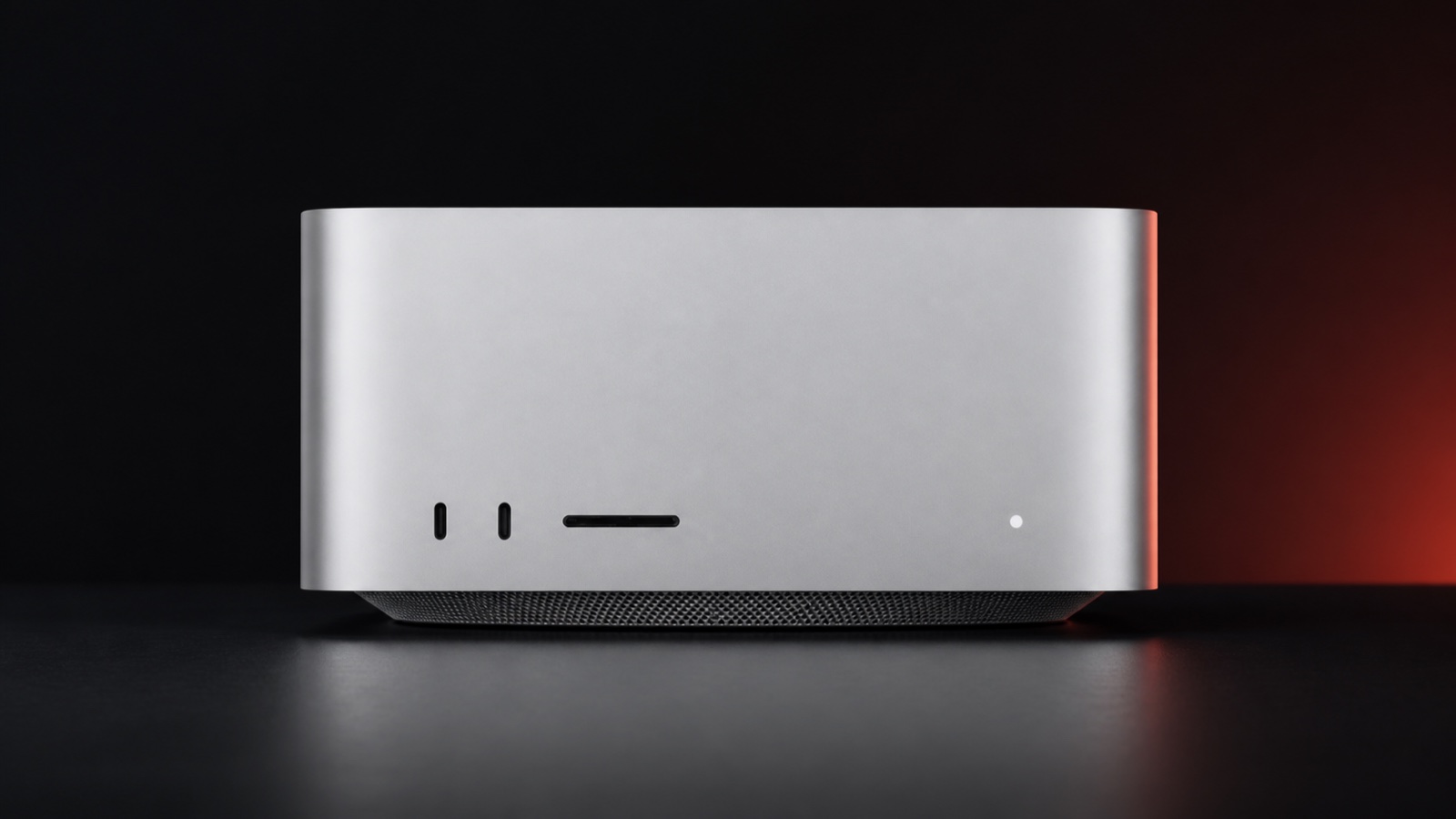
Compact entry24GB
Mac mini M6 · 24GB
A compact starting point for small and medium local models when 24GB is enough for the model, context and runtime.
See exact model fit →Mac mini M6 and M5 Pro, Mac Studio M5 Max and M5 Ultra, plus current M5 MacBooks compared with one conservative model-fit method.
Apple sources verified August 25, 2026 · New desktops available September 22, 2026
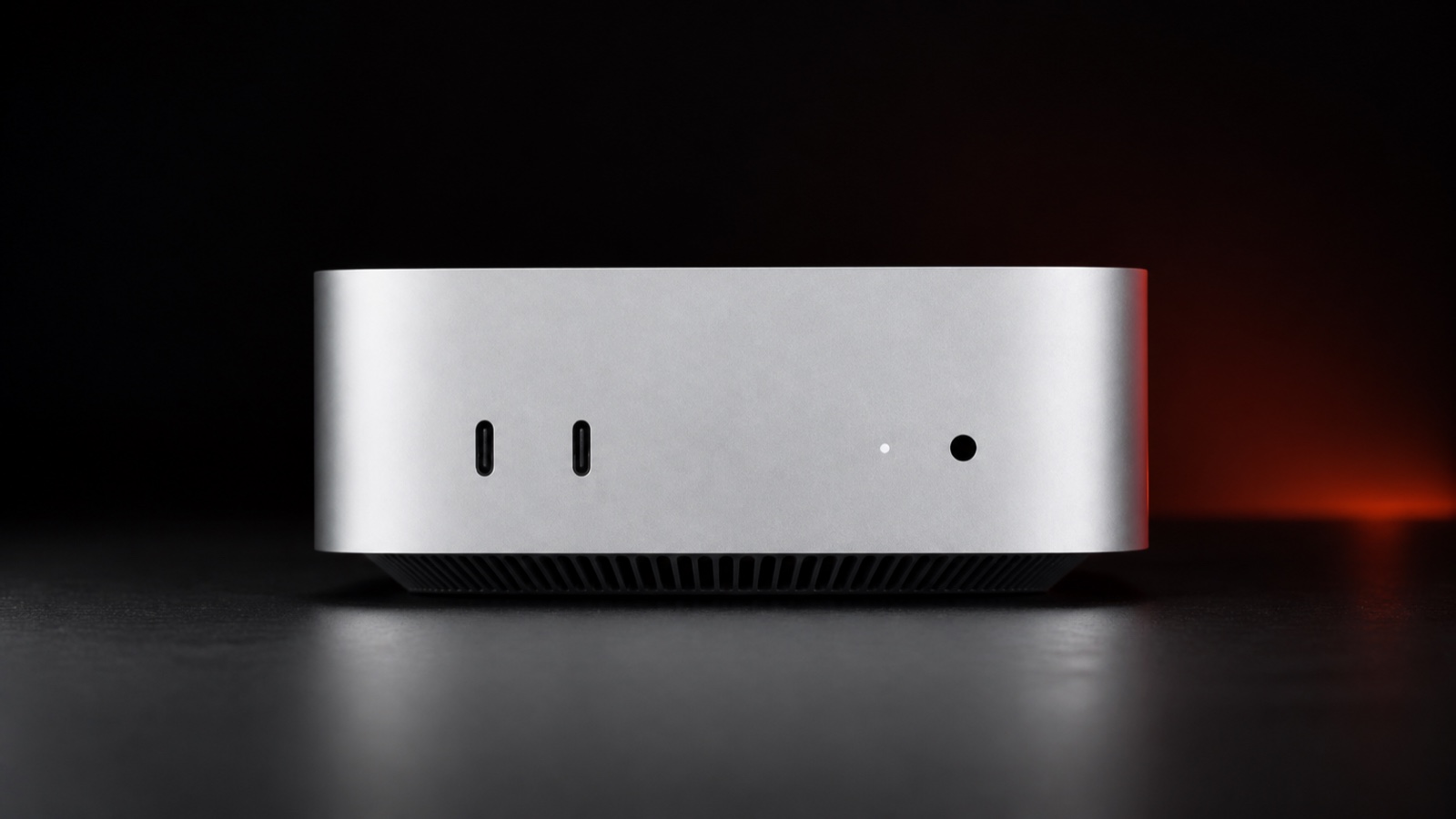
Choose by unified memory before chip generation. Start at 24GB or 32GB for smaller local models, move to 64GB for a compact large-model setup, choose 128GB for workstation headroom, and consider 256GB or 512GB only for very large quantized models. Apple lists the new desktops for pre-order with availability beginning September 22, 2026; LocalClaw has no hands-on speed benchmark yet.
A compact starting point for small and medium local models when 24GB is enough for the model, context and runtime.
See exact model fit →The strongest compact memory option in the new Mac mini range, with room for larger quantized models and tools.
See exact model fit →A high-memory workstation tier for large local models, longer contexts and concurrent AI services.
See exact model fit →A specialist tier for very large quantized models. The 512GB configuration extends memory capacity further.
See exact model fit →Chip, memory, bandwidth and availability facts are taken from Apple product and technical specifications pages. Compatibility counts come from LocalClaw's current catalogue and conservative unified-memory filter. They are practical sizing guidance, not hands-on benchmarks.
Choose unified memory first. Mac mini M6 at 24GB or 32GB covers smaller local models, Mac mini M5 Pro at 64GB is the compact balance, Mac Studio M5 Max at 128GB adds workstation headroom, and Mac Studio M5 Ultra at 256GB or 512GB targets very large quantized models.
Apple lists them for pre-order and says availability begins September 22, 2026. LocalClaw does not present unreleased hardware as hands-on tested.
No. For local model eligibility, unified memory and the model footprint are the first constraints. Chip, bandwidth, context length, quantization and runtime affect the experience after the model fits.
LocalClaw applies one conservative memory-fit method to the current catalogue. It reserves headroom for macOS, the runtime and an 8k context, then ranks only models that pass that filter. These are not tokens-per-second benchmarks.